
evan

Most of us have at least one aspect of our physical appearance we don't like. And with the constant barrage from media influences, we can grow increasingly uncomfortable about the way we look. Our body image can become stressful and disrupt our work, social lives, and health in some cases.
If you have a negative body image, you may:
- Compare yourself with others or feel inadequate in doing so
- Feel shame, or embarrassment
- Lack confidence
- Feel uncomfortable or awkward in your body
- See parts of your body in a distorted or unrealistic way.
Mental health issues can occur due to a negative body image, such as depression, anxiety, or eating disorders. One percent of the population experience BDD, or Body Dysmorphic Disorder, a mental health condition characterized by a continued obsession with a part or all of their body in a negative way. For example, they may ask for cosmetic surgery to correct their nose's size when it appears normal to everyone else. BDD can become severely distressful and interfere with daily functioning.
6 tips for improving body image
Although one list can’t tell you how to turn negative thoughts about your appearance into positive ones, it can introduce healthier ways of thinking about yourself and your body.
- Appreciate all that your body can do. Your body works hard for you every day. Recognize all of the fantastic things it does-like walking, breathing, laughing, etc.; Your body has brought you to this moment and helped you survive every event in your life. Cherish it for all that it's done and continues to do.
- Notice your inner critic. Having a negative body image is like having a critic in your head. The critic is a harsh, derogatory narrative that makes nasty comments about recognizing the thoughts you have about yourself and challenging them. Counteract those thoughts with your natural strengths, even if they're not necessarily physical. Write a list of the things you love about yourself or write a love letter. Or, practice writing something positive about yourself and your body each morning. Keeping an ongoing list will promote a new, healthy mindset on how you see and feel about yourself. Share it with others, and keep it handy for "off" days.
- Stop comparing. It's natural to compare yourself to others. And for some, it's become a habit that happens hundreds of times a day. It's hard to stop comparing. Try to recognize when you compare yourself to others. Note the situations it occurs most frequently in, who you compare yourself to, and your reactions. How does it impact you? is there anything you can say that would be more helpful or realistic?
- Practice self-acceptance. This is one of the essential keys to overcoming a negative body image. Cognitive techniques, such as developing alternative thoughts or positive mantras, effectively help identify and change critical thinking. Although it takes some time to adopt this type of thinking, it's worth every second.
- Detox from social media. It takes time to unlearn or change what social media has taught us to believe. While social media can be helpful for many reasons, it can also lead you down a rabbit hole of self-hatred. Learn to recognize the harmful messages you see and make a conscious effort to separate yourself from them. If you don't want to go cold turkey, try setting limits on how much time you spend on social media. The "break" could give you the space and mental clarity you need to reset your body image.
- Surround yourself with loving, positive people. If you find that specific environments or people trigger your inner critic, take note and act accordingly. Surround yourself with those who are positive and supportive.
- How do you see yourself? If a negative body image affects your well-being or experiencing symptoms of an eating disorder, anxiety, or depression, reach out to your health care provider for help. You could also speak with your doctor about medications for anxiety or depression. There's always help available for you to create a healthier, more positive self-image.
Research Center
evan

When most of us hear the word "gossip," we resort to thinking about malicious rumors or a juicy secret. But gossip can generally be defined as "talking about someone who isn't present”. Whether it’s a conversation with your co-workers, or a group chat with your friends, we all gossip. And, it’s something that comes naturally for many of us.
So why do people gossip?
As social creatures, we’re hard-wired for connection. And sometimes, gossip can provide us with a sense of bonding that we all lure, regardless of whether the conversation is positive or negative.
Some experts view gossip as evidence of cultural learning, where we learn what’s socially acceptable and what’s not. For example, if someone lies frequently and people start talking bout that person negatively, the collective criticism is intended to warn others of the consequences of lying.
Generally speaking, most gossip falls into the “negative” category. people gossip for a variety of reasons:
To feel superior. Many people who are insecure about themselves find temporary relief in judging others. Knowing something that others don't can feel empowering, and sometimes, that's all an uncertain gossiper needs. But, it can also make you appear untrustworthy.
They have a sadistic personality. Emotional sadism- someone who comes off as harsh, aggressive, intimidating, or demeaning is rooted in gossip. This type of character enjoys knowing that someone else is experiencing pain or misfortune, delighted that it's not happening to them.
They’re bored. When people can't generate exciting discussions based on knowledge or ideas, gossip can arouse people's interest.
Anxiety. Anxious people are more likely to spread rumors and partake in gossip, according to research. And since uncertainty or feeling out of control is significant in anxiety, gossiping can make someone get that sense of control back.
To feel like part of the group. Alongside that feeling of connection we desire, sometimes people gossip to feel like they belong to the group. Being the center of someone or a group's attention while gossiping can be compared to buying attention. Yet, this feeling of acceptance isn't based on a person's identity or personality but exclusion or maliciousness.
Coping with gossip
If you’re caught in the midst of a gossiping conversation, consider the following strategies to help you cope:
Focus on the positive. If you feel like you're drowning in negativity, talk about the positive things you know about the person being gossipped about. You'd be surprised how a shift in perspective can change the tone of the conversation.
Recognize how gossiping makes you think or feel differently. Not everyone gets excited to hear secret information about other people. If it makes you feel uncomfortable, try your best to avoid it.
If you’re the target of hurtful gossip, take the following strategies into consideration:
Direct the gossipper directly. If someone is spreading rumors about you, address it with them. A gossiper doesn't anticipate being addressed by the person they're talking about. Assertively expressing your feelings without blaming or accusing can be an effective way to illustrate the effects of gossip. Doing so may help the person spreading the word or rumors realize the impact of their actions.
Ignore it. Sometimes, it takes more energy and effort to address it than it does. It ignores it. It's not worth addressing. For example, if you're a manager at your job, your employees will inevitably talk about you. Ultimately, rumors become less noteworthy over time, and people generally forget them over time.
De-identify from the situation. Recognize that the actions of others aren't a reflection of who you are. They are projections of the other person, whether that person is anxious or wants attention. People lash out, gossip, and focus on other people to protect themselves.
Dealing with gossippers and being the subject of a rumor is challenging. Although you can't always control the things others say about you, you can control how you respond to them-and ultimately become resilient.
evan

Fear is one of the most powerful, controlling emotions that we can all relate to. Whether you're afraid of thunderstorms, the dentist, or losing a loved one, fear can control our everyday decisions and, ultimately, our lives. And naturally, we go out of our way to avoid the things we fear most.
But when the intensity of the fear turns into anxiety or a phobia, it becomes problematic. If you have a phobia, you may benefit from doing exposure therapy with a professional. Exposure therapy is based around a hierarchy of feared situations, starting from the easier, less stressful ones to the most challenging fears you can imagine. You start with the more approachable ones first, and over time, work your way up to the harder ones. Many people find comfort in knowing that there's a plan for working progressively through their fears.
Alongside working with an experienced therapist, here are 7 suggestions that can help you overcome your worst fears.
- Start small. Let yourself sit with your fear for a few minutes at a time. Start with situations that are slightly challenging but manageable. For someone with a vomit phobia, that might include reading an article that mentions vomit or nausea. Over time the more complex situations appear more approachable. The goal is to deal with any situation that might reasonably arise, without excessive distress and without running away.
- Use humor. If you perceive your fear with humor, you trick your mind into looking at it differently. For example, if your worst fear is snakes, try verbalizing your fears in a funny voice. Or envision a ridiculous, worst-case scenario.
- Do it on purpose. Exposing ourselves to fear with purpose and making the conscious decision to engage your fears, rather than waiting for frightening things to happen to you. Anticipating and waiting for your fears to happen is a nerve-wracking way of tackling them. Intention and purpose give you more control and predictability, making the entire process more effective.
- Repeat. It's no doubt that a single exposure takes courage, but it's unlikely that it'll dismantle our fear entirely. Just like flying on a plane one time per year won't eliminate your fear of flying. To conquer your fear, you'd need to fly repeatedly and frequently.
- Expect ups and downs. Some days will be better than others. Our reactions and progress depend on many factors, and it won't always be the same. Go easy on yourself through the ups and downs, and remember to find time to relax in the meantime.
- Record your progress. Try keeping a journal over a couple of weeks and recognize any patterns you notice. Do you start sweating every time your doorbell rings? Do you tend to feel more anxious in the morning or before bed? How do you react or respond to your fears when they arise? Note anything that seems significant. Transferring your fear patterns and symptoms into writing can help demystify them. They are no longer so substantial and insurmountable.
- Visualize. Often recommended for tackling fears, visualization asks you to imagine yourself in a situation confidently facing your fear, whatever it is. Try to be as detailed as possible. If you're afraid of taking tests, visualize what it would feel like to sit in your seat confidently, what your pencil would feel like, who's sitting next to you, and so on. Your mind doesn't know the difference between what's real and what's imagined, so you'll respond as if it were actually happening.
If you feel you need more support, working with a licensed therapist may be beneficial. They can help you better understand your fears, and guide you along the process of overcoming them.
evan

In the U.S., 1 in 3 women and 1 in 4 men are victims of relationship abuse. If you're in an abusive relationship and are considering leaving, you need to take some time to think through how to protect yourself from additional harm. And while getting out of an abusive relationship isn't easy, you deserve to live free of fear.
Regardless of what your current situation looks like, safety planning is an essential part of the process.
What is a safety plan?
Safety planning requires thoroughly thinking through potential scenarios and determining what the best course of action is. Overall, a good safety plan will hold all the important information you might need.
Here are a few things to consider when safety planning:
Reach out and let someone know you’re ending your relationship. Isolation is a tactic that many abusers use to have control over you. If your relationships with family members or friends have suffered because of this, it's essential that you still reach out. You may be surprised to learn how many of them want to help. This is one of the most important things you can do if you need somewhere to stay. Additionally, you can ask them to check in on you, if you can contact them if you need a ride or need help getting the police. Memorize their phone numbers if you can.
If you don’t have anyone to tell, call a hotline. Tell them the same thing you would as if it were someone you know, they'll encourage and provide support along the way. Having resources available to you is a big part of safety planning. A few options include:
Keep your important documents safe. This includes your passport, driver’s license, birth certificate, insurance cards, bank account numbers, and other legal documents. It may be a good idea to keep them out of the house if you live with your abuser. If you feel that it’s unsafe to collect these items, make a few copies or take pictures of them.
Change your contact information. Depending on whether you need to remain in contact with this person, you may want to consider changing your phone number or blocking them on your phone. Also, it may be a good idea to change any passwords on your computer, phone, etc., if your partner has access to them.
Prepare an emergency fund.
Financial abuse often plays a role in an abusive relationship, so set aside some money if you can. This can also include having your bank account or credit card if possible. If it's not safe to keep the money in your home, ask a trusted family member to keep it for you.
Get support. If possible, involve an expert to support you throughout the process. Remember that you’re not alone. There are people available to assist and guide you through this.
You can find additional help and support from:
Support groups: Being in an abusive relationship and making the decision to leave one can feel isolating and lonely. Support groups for victims of abuse can offer a therapeutic space for healing and an opportunity to connect with others who can relate and understand what you’re going through.
Therapy: Therapy can help if you’re currently in an abusive relationship, plan on leaving one, and help you start the healing process once you leave.
evan
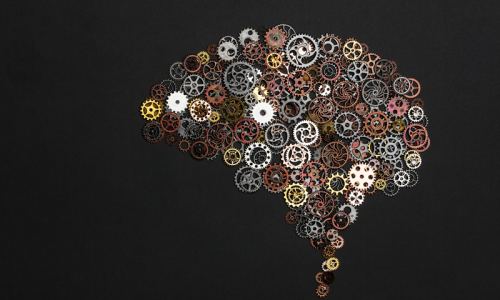
Emotional intelligence refers to a person's ability to understand, perceive, and control their own emotions and those around them. Some experts say that emotional intelligence can be equally, if not more important, than IQ. From your relationships to your goals, emotional intelligence ultimately plays a role in every aspect of your life. And while some believe it's characteristic that some are born with, research suggests that emotional intelligence can be learned and strengthened.
Components of emotional intelligence
EI was developed by John Salavoy and John Mayer, two social psychologists. Their work is responsible for the increased interest in emotional intelligence, from the workplace to the school curriculum. There are four levels of emotional intelligence, which include:
Self-awareness: The ability to recognize and understand emotions is a fundamental skill of EI. Aside from perceiving your own emotions, however, is being aware of the effect of your actions, moods, and feelings of others. This often includes awareness of nonverbal cues, like body language and the facial expressions people use. Although this comes more naturally to some people than others, you can take a few easy steps in improving your self-awareness.
Start by monitoring your own emotions, recognizing different reactions to emotions, and identifying each emotion as it arises. You'll start to notice the relationship between your feeling and how you behave as a result.
Self-regulation: Once you become aware of your own emotions and the impact you have on other people, you'll need to learn how to regulate and control them. This doesn't mean putting your feelings on hold or suppressing them, but rather being able to express them at the right time and place. Emotional regulation is all about expressing them appropriately.
If you know someone who can diffuse a tense situation or is good at managing conflict, they're probably good at regulating their emotions. They also tend to be conscious about how they influence other people, take responsibility for their actions, and adapt well to change.
Practice being mindful of your thoughts and feelings in different situations, and find ways to cope with the uncomfortable ones. Soon, you’ll start to recognize the way your emotions help you determine your actions.
- Social skills: Having strong social skills allows you to build meaningful relationships and develop a more vital understanding of yourself and those around you. But, it involves a bit more than merely understanding emotions. You'll need to put the information to work in your daily interactions. Practicing essential social skills like active listening, asking open-ended questions, having good eye contact, or showing interest in others are excellent ways to improve this emotional intelligence area.
- Empathy: Or the ability to understand how people feel, is one of the most critical components of emotional intelligence. Aside from recognizing how someone else is feeling, empathy involves your response to people based on this information. How do you typically respond when a friend is feeling sad or hurt? In a professional setting, an empathetic manager understands the power dynamics in the workplace. This can positively influence their relationships with their employees, and they probably don't take advantage of their power.
Improving your emotional intelligence isn’t always easy. It’s a skill that takes time to develop. But by practicing and implementing some of the tools mentioned, you’ll start to notice positive changes in the way you understand yourself and those around you.