
7 Tips For Overcoming Procrastination
evan
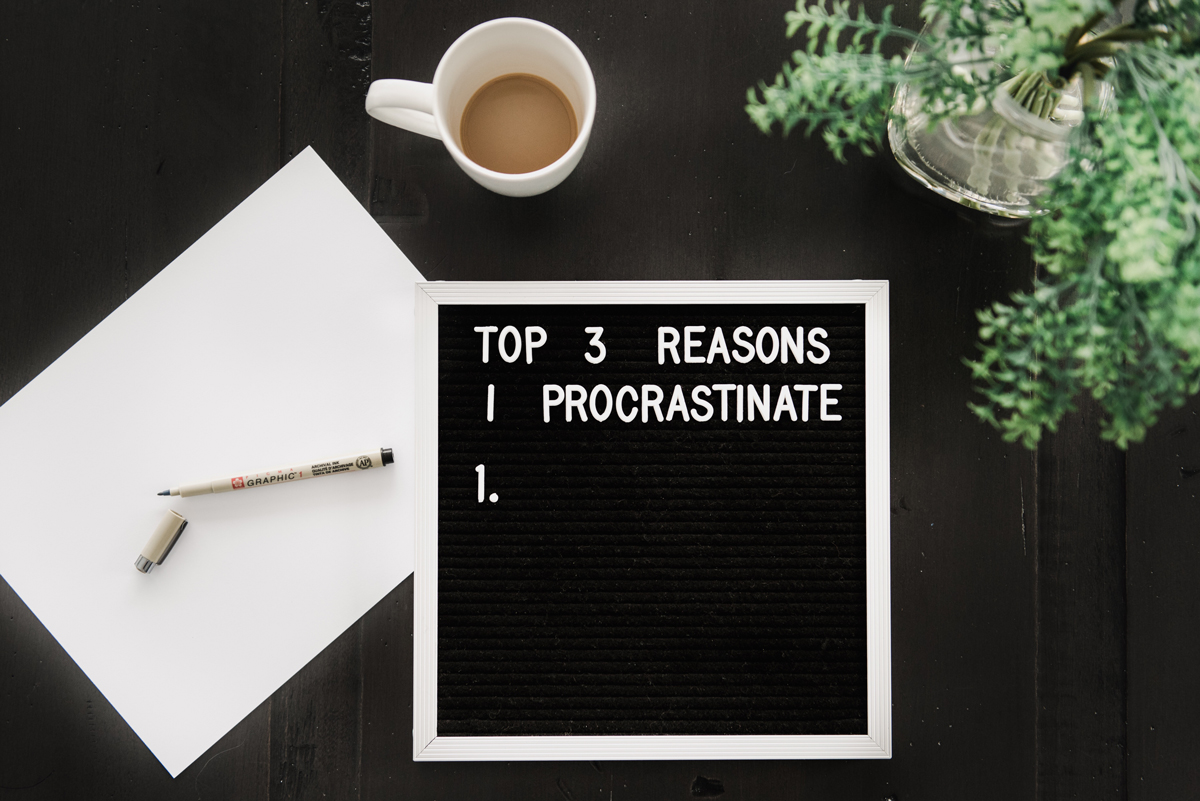
We all have a natural tendency to procrastinate. But while some people can accomplish their work with ease, others struggle to stay on top of their ever-growing to-do lists. And at the end of the day, procrastinating results in unnecessary stress and tension.
We all have long, tiring days where we feel more irritable and react too quickly. And while overreacting to minor inconveniences can appear as a personality trait to some, it's an entirely natural occurrence that we all experience.
Although it's completely okay to feel your emotions and want to explode from time to time, it doesn't always feel great, nor does it help the situation. If you've been told that you're "too sensitive" or "overthink things," you know how intense and overwhelming it can be. But how do you know if your emotional response is appropriate or if you're overreacting?
Check out these 5 signs to get a better understanding:
- You’re stressed or anxious. The psychology of overreacting explains that people overreact to protect themselves against threats. When we perceive a "threat" to our wellbeing, the body activates the stress response. Stress hormones such as cortisol and adrenaline are released to prepare you to either fight the potential threat or run away from it. Your heart starts racing, your body temperature increases, and you may even experience physical symptoms like stomach aches. While this response helps avoid a car accident, it can also cause you to overreact to an insult.
- You didn’t sleep well. Sleep helps us restore our emotional brain circuits to prepare us for the next day. And without quality sleep, research shows that the vibrant centers of the brain are 60% more reactive. The brain finds it more challenging to put emotional experiences or triggers into context and produce appropriate, rational responses.
- You’re hungry. Although it doesn't excuse unhealthy behaviors, hunger does play a role in the way we feel. When you haven't eaten for a while, your blood sugar decreases, triggering the same stress hormones released when you're anxious, stressed, or sleep-deprived, which can cause aggression or other impulsive behaviors.
- You were triggered. Everyone has their triggers, meaning we can all be overly sensitive to specific criticisms, fears, etc., based on our past experiences. What can seem like a minor insult to some can be a trigger that releases years' worth of pain for others. When this happens, we tend to have a more significant reaction than the moment deserves. Some people take these overwhelming emotions out on those around them, while others turn inwards.
- You’re a highly sensitive person. Being an HSP has its pros and cons. You may be easily offended by those who don't mean any harm or misunderstand their intentions. Highly sensitive people become overwhelmed by tension, aggression, and conflict more than others. On the other hand, your sensitivity can be viewed as a natural strength. You're more likely to empathize with others, be deeply moved by beauty, and have a rich, complex inner life.
Overreactions can also appear as:
- Dissociation-or severe anxiety that separates you from the present moment
- Perfectionism
- Trouble accepting the current situation or circumstances
- Difficulty recognizing other perspectives
These signs of overreacting don't mean your feelings aren't valid. However, you may benefit from finding ways to manage and express your feelings productively. Not only will it help you feel in control of your emotions, but it'll benefit your mental health in the long run.
If you experience any of these signs frequently or find that they disrupt your day-to-day functioning, you may benefit from working with a mental health professional. CBT or Cognitive Behavioral Therapy is a type of therapy that helps you recognize and understand the connection between your thoughts, emotions, and behaviors.
The good news is, procrastination is a habit that you can change. To get started in overcoming those daunting, easily-avoidable tasks, consider the following 7 tips:
Identify negative or unhelpful thoughts. If calling yourself a "lazy procrastinator" or a "failure," your first effort should be to drop the labels. So when you notice any negative thoughts or beliefs about your ability to get something done, practice self-compassion instead. Turn a thought like "I'm never going to get this done" into "I'm doing the best I can right now.”
Think "I get to do this" rather than "I have to do this." If we feel forced or pushed to do something, it's much easier to put it off. Similar to challenging self-defeating or negative thinking patterns, try to reframe the task as an opportunity rather than a chore.
Example:” I don’t have to wash the dishes today; I get to wash the dishes today." With time and repetition, you'll naturally start to view the chore as an excuse to take a break from work or listen to your favorite playlist.
Start small. Thinking about all of the things you need to do can quickly become overwhelming- leading to more procrastination. If you don't know where to start, break things down into smaller, individual steps and write them down. Remember to consider how long it would take you to complete each step and cross it off once you’re done. Even the smallest of steps can feel rewarding!
Consider the Zeigarnik Effect. If thoughts about an unfinished project have kept you up at night, you’ve probably experienced a psychological phenomenon known as the Zeigarnik Effect, or the natural tendency to remember incomplete tasks rather than the completed ones. The thoughts that constantly pop into your mind serve as reminders but also create mental tension. To put the Zeigarnik Effect to use, take the first step towards your goal, no matter how small. If you can begin focusing on something for just a few minutes, the brain's desire to complete it will take over.
Discover your “peak times.” Tackle the most complicated tasks during your peak times. Everyone has different peak hours. Are you more productive in the mornings or the evenings? Figure out when you work and feel your best and tackle the most complicated tasks during those times. Not only will you improve your productivity, but you’ll save your energy for the things you want to do.
Try a "power hour." A power hour consists of putting away all distractions and working in parts of time (ex. 1 hour), followed by short rest periods. Remember to balance focus time with relaxation for maximum efficiency.
Turn tedious tasks into appealing ones. Ask yourself, "How can I make this dreadful chore into something more enjoyable?" Whether you turn it into a competition with yourself or schedule time for a hobby afterward, there are various ways to trick your mind into believing something is more appealing than it is. Find what grabs your attention and utilize what strategy works best for you.
Breaking the procrastination habit isn't easy.
And while it might not be entirely avoidable, sometimes the most important thing you can do is get started. Remember, every step you take is progress!